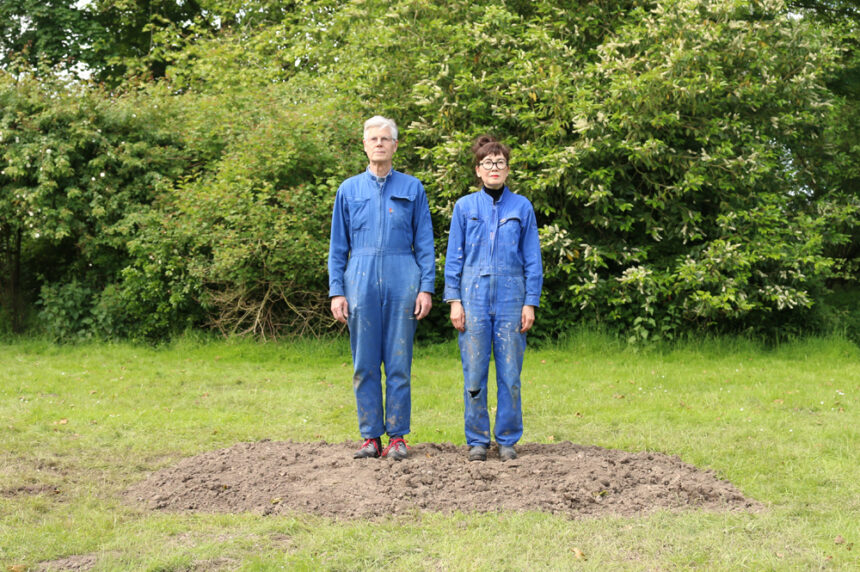


Method & Apparatus to Appreciate Iroha (MATA IROHA) began with an apparently simple question: how might the act of looking at a sculpture be prolonged? At a time when images are encountered and discarded with increasing speed, Dunhill and O’Brien set out to devise a method for paying sustained attention to a single work.
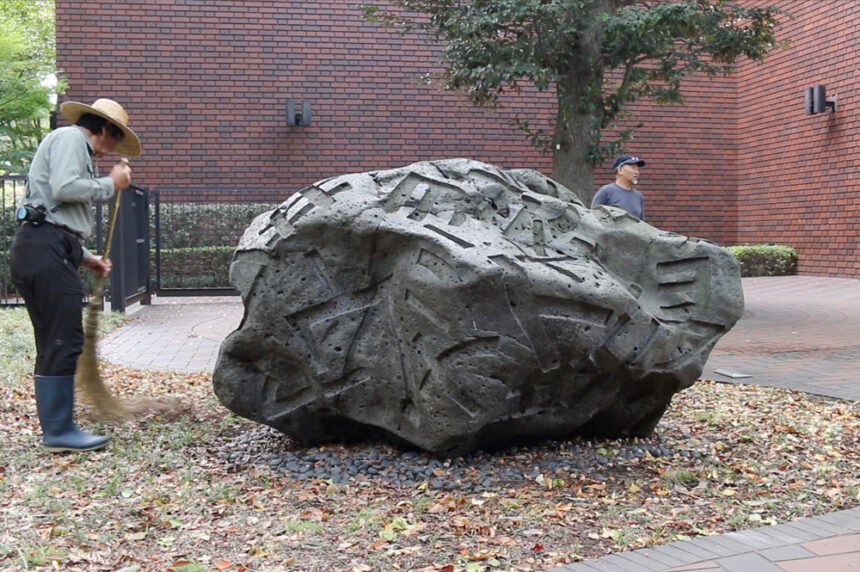
Browsing the collection of Tokyo Metropolitan Art Museum online, they found themselves drawn to Mogami Hisayuki’s 1979 sculpture I, RO, HA…N. It seemed the least performative, less photogenic, less immediately ‘Instagrammable’, and for that reason oddly compelling.
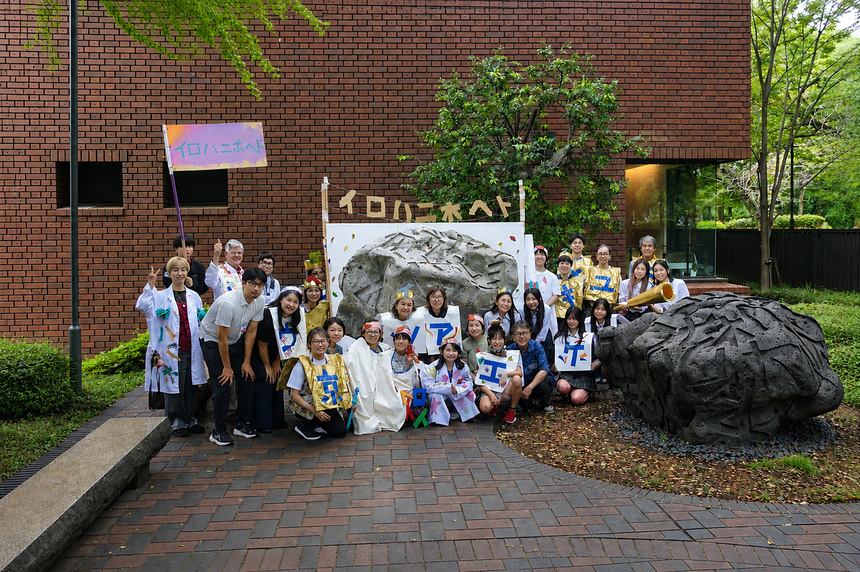
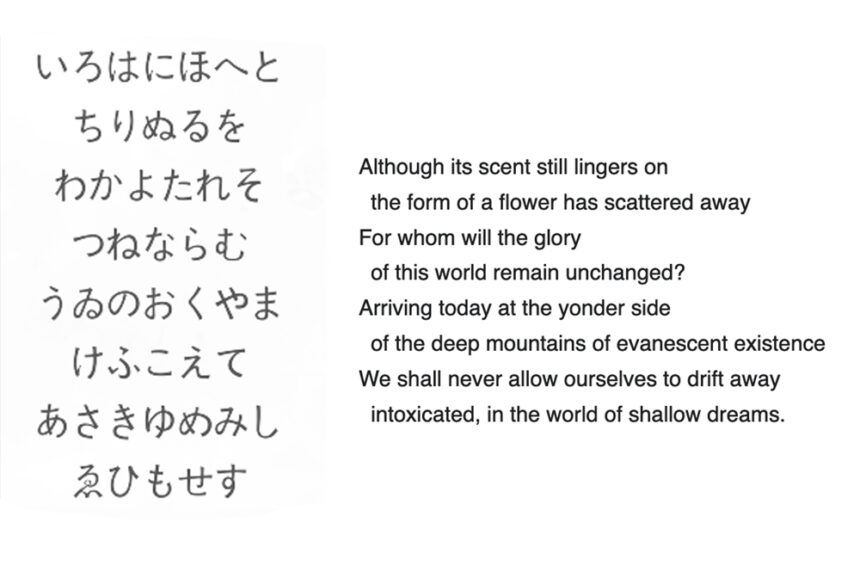
Meeting the sculpture in person confirmed it. They were, in fact, rather smitten. Seen in the flesh, I, RO, HA…N proved to be a basalt boulder quite literally inscribed with language. Its carved characters come from the ancient Japanese Iroha poem, a text containing each of the 47 kana syllables of the Japanese language.
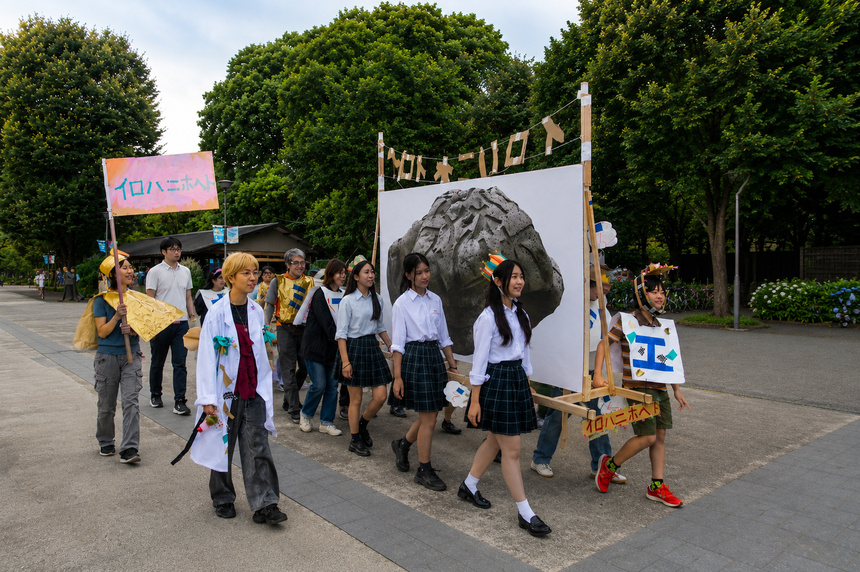
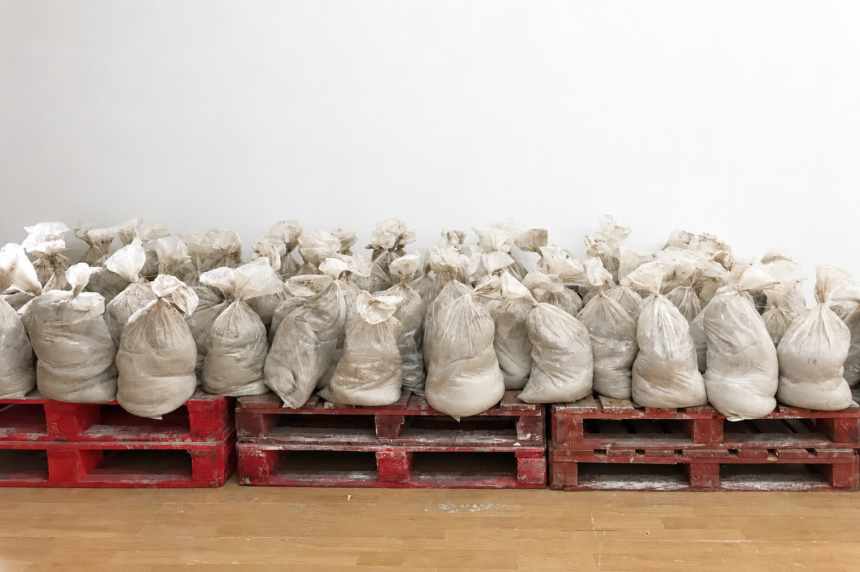
What followed became an elaborate and perhaps unreasonable attempt to learn how to appreciate something that had first attracted them precisely because it did not immediately yield itself. This involved more than one hundred other people and a chain of translations from object to language, to clay, to digital information and back again into an unruly sculpture.
METHOD
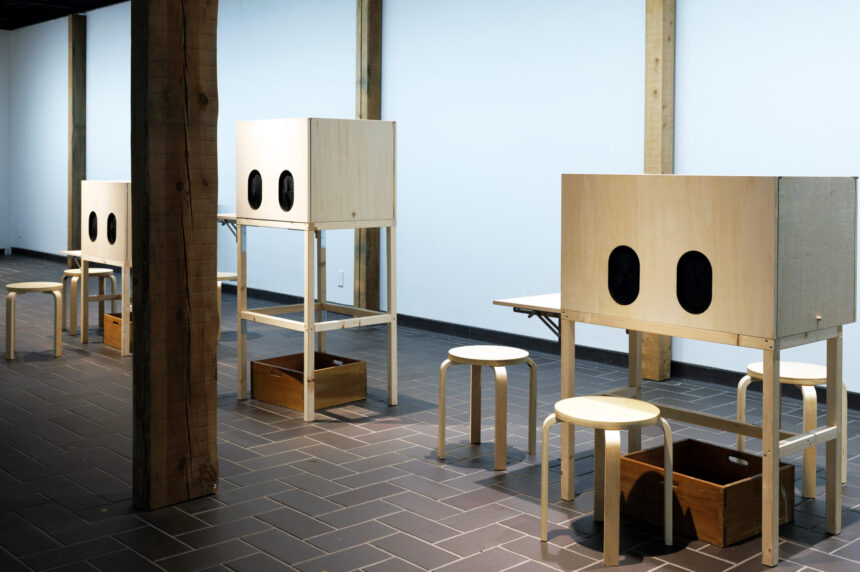
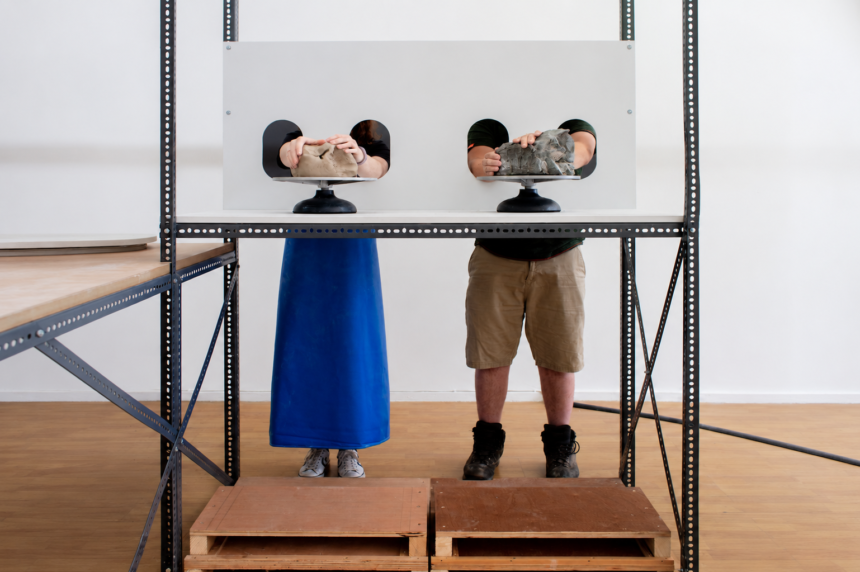
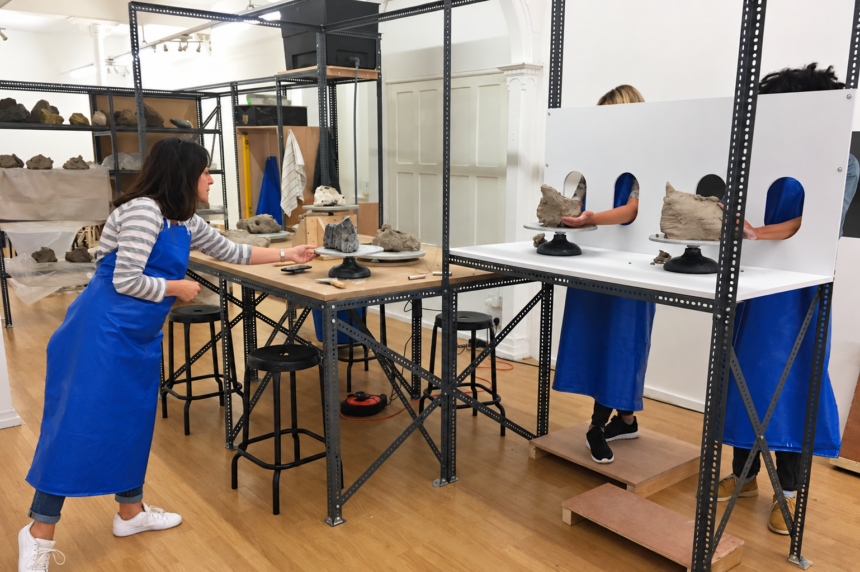
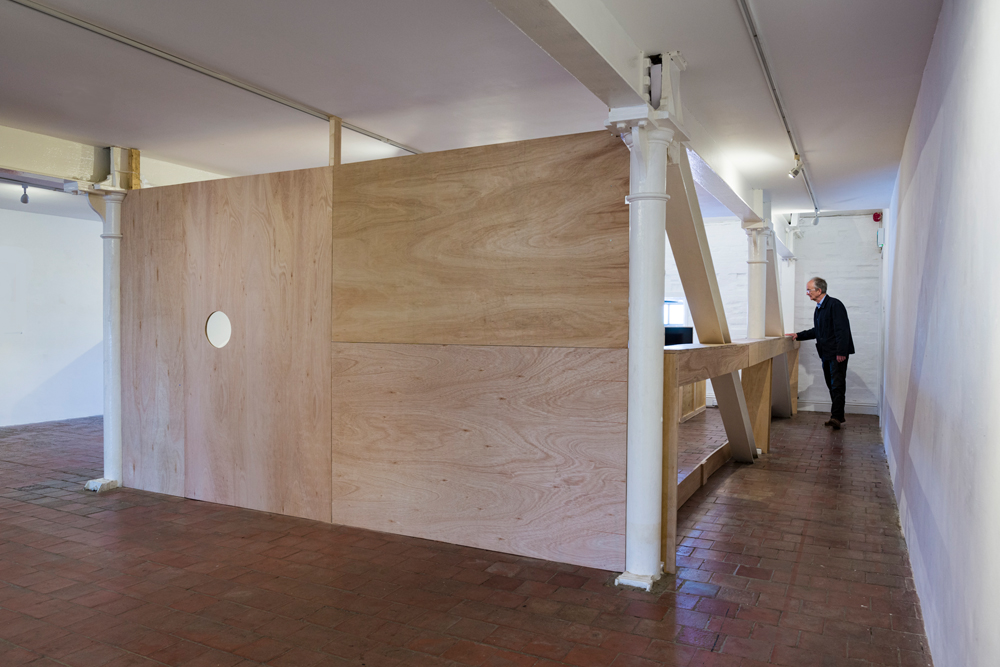
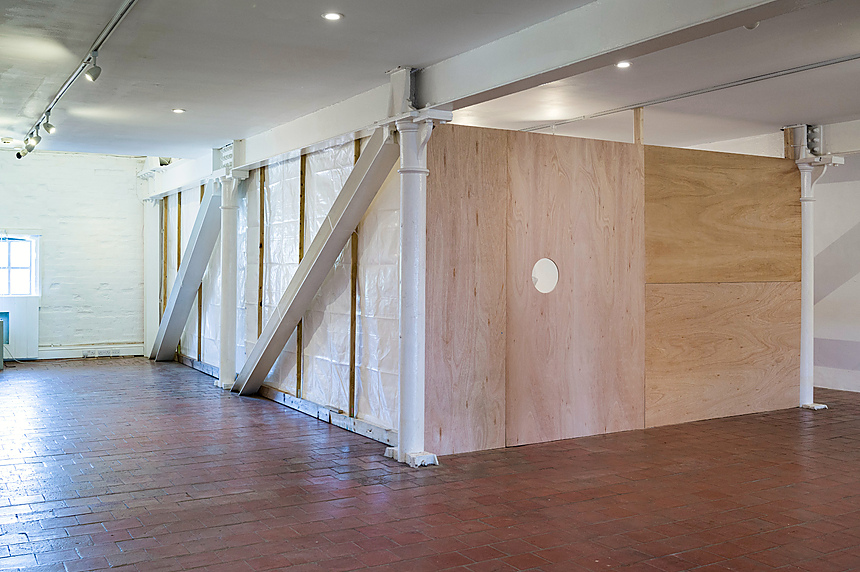
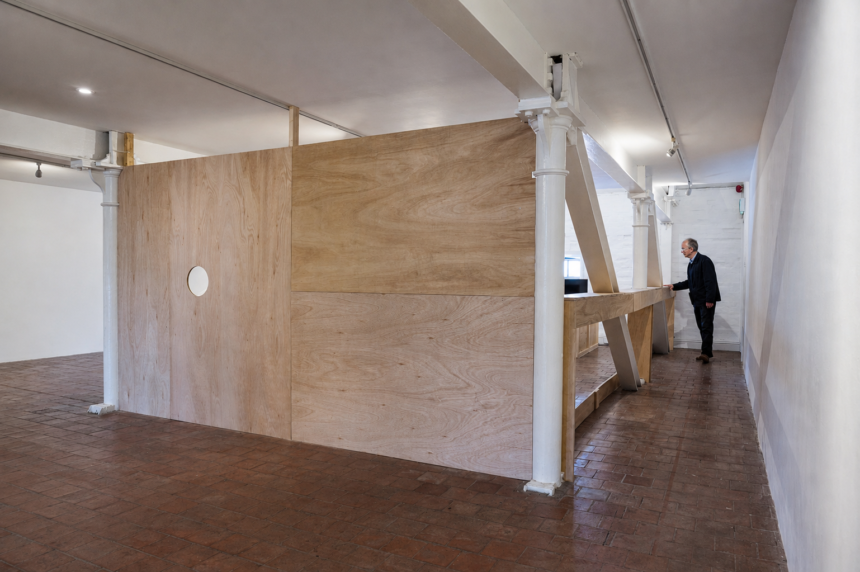
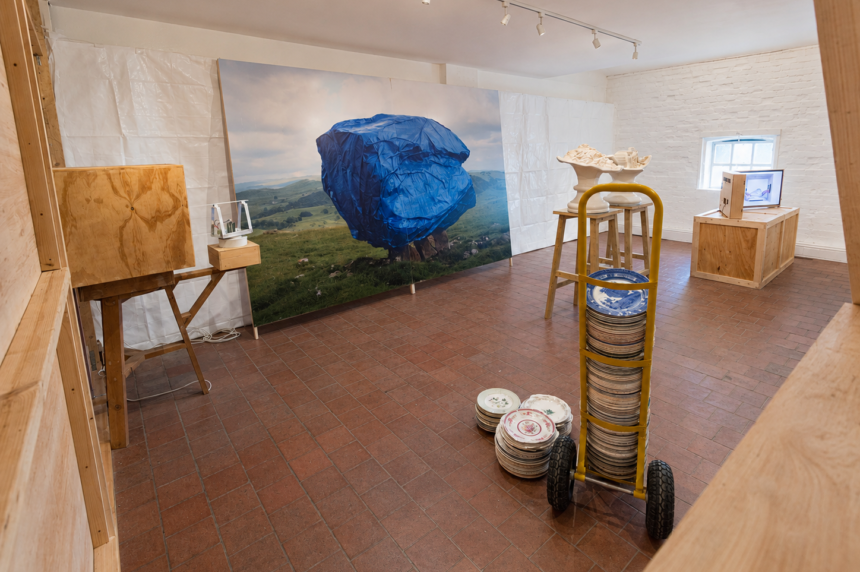
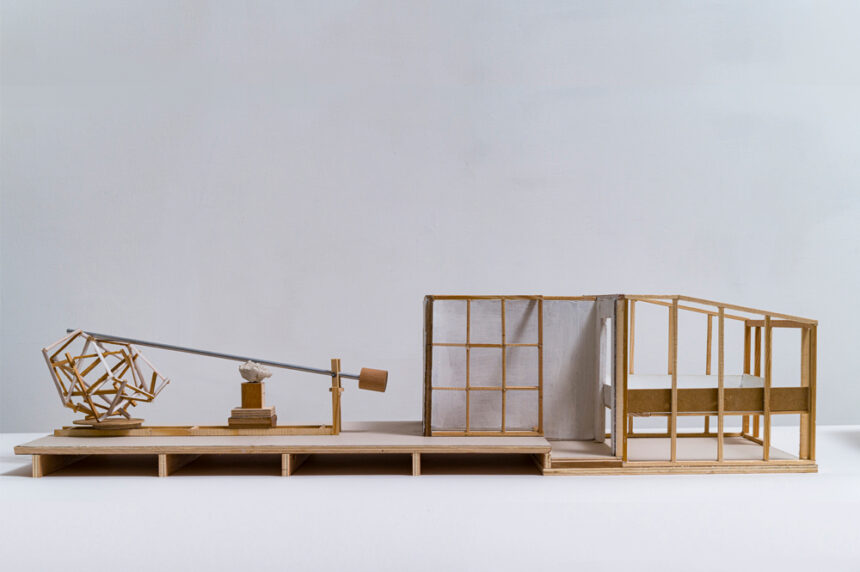
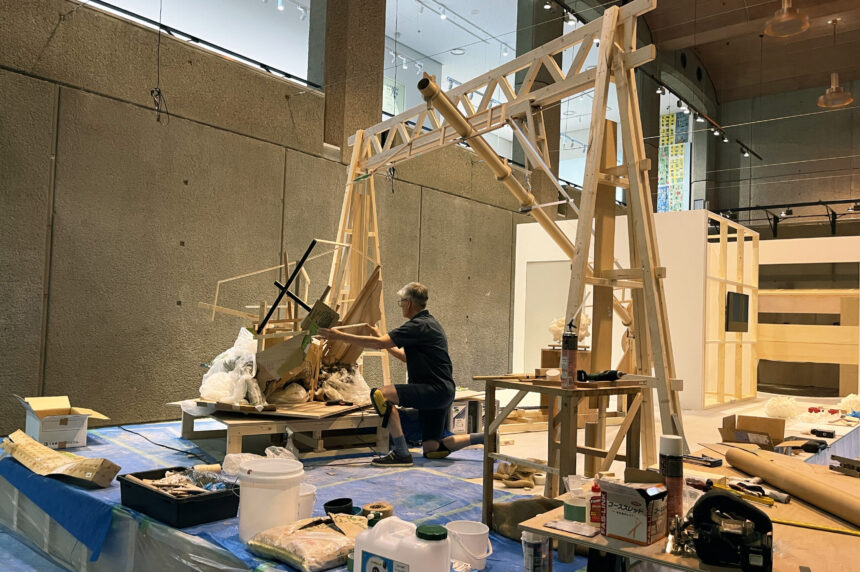
The research visit also confronted Dunhill and O’Brien with the scale of the museum’s monumental sculpture gallery. Their solution was to reconstruct the dimensions of their London studio as a life-size platform and wall structure in the gallery, allowing the installation to be mocked up and tested at home before being rebuilt in Tokyo. Part familiar workspace, part raft-like plinth, it became the stage on which the project unfolded.
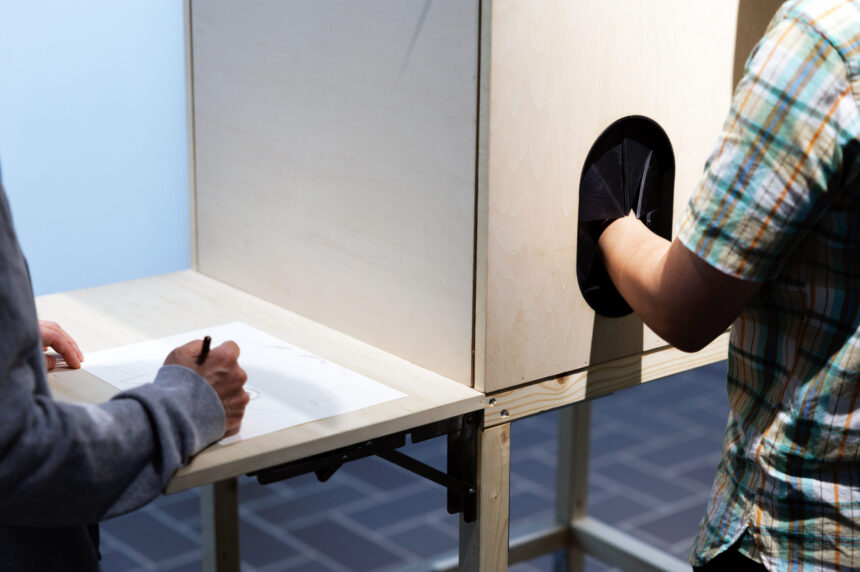
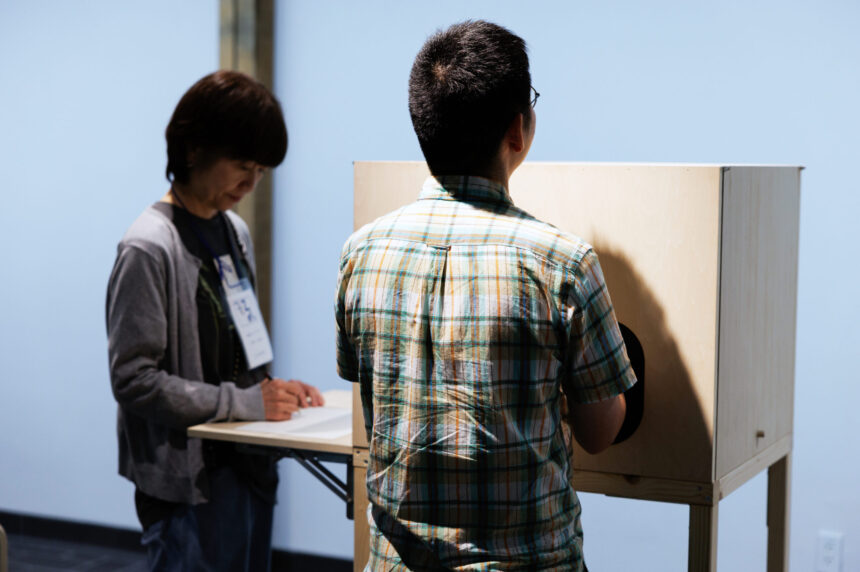
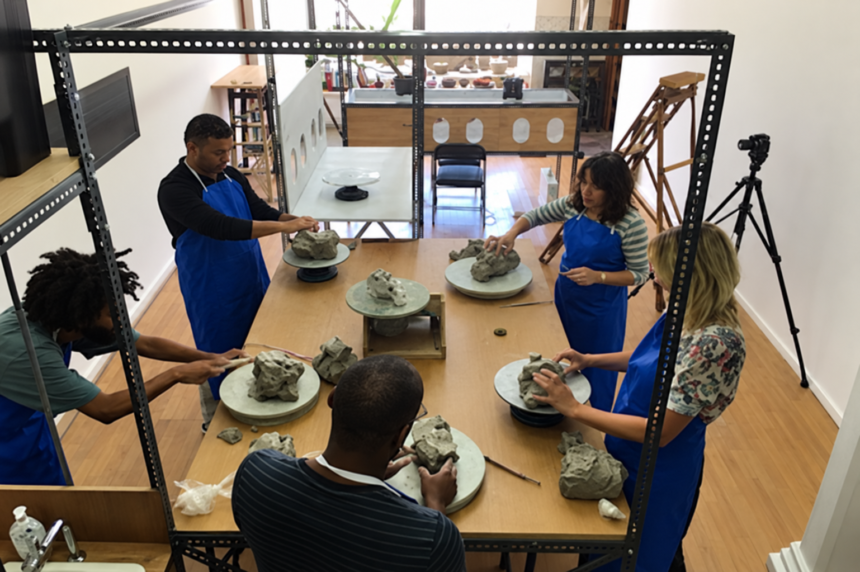
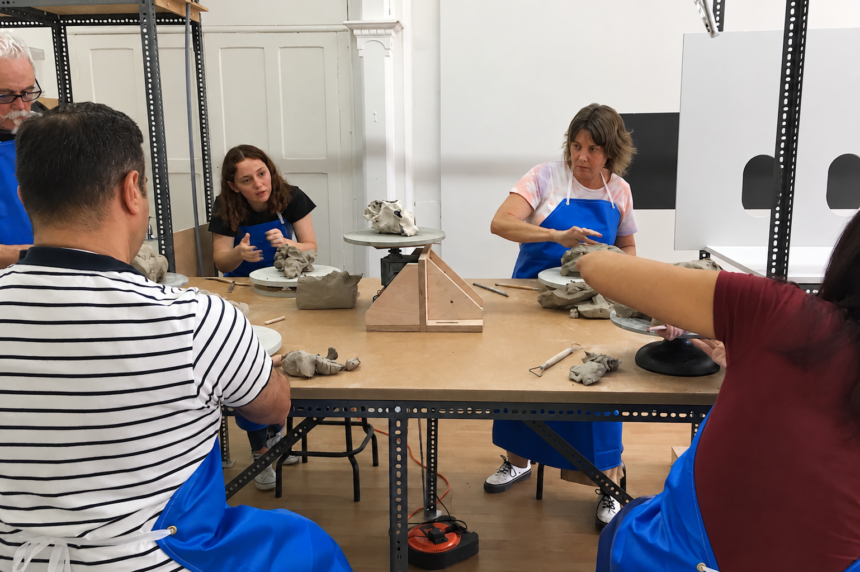
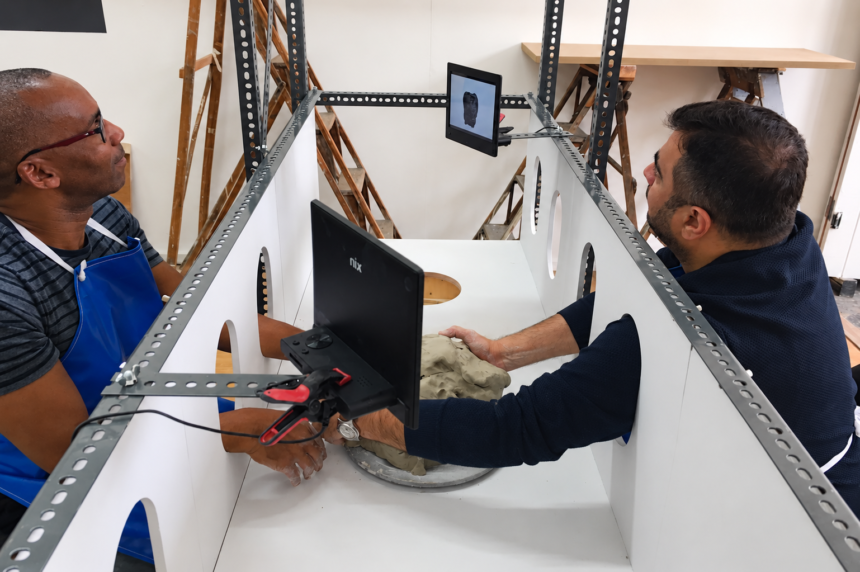
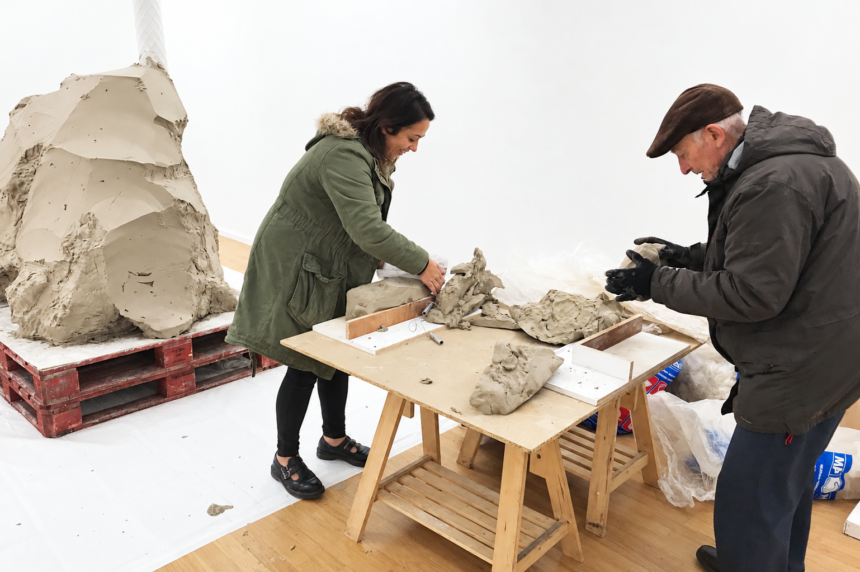
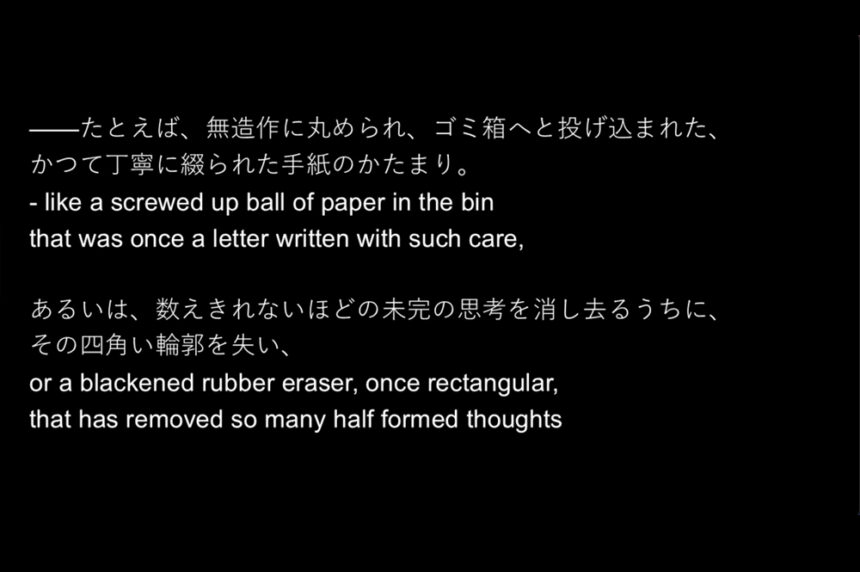
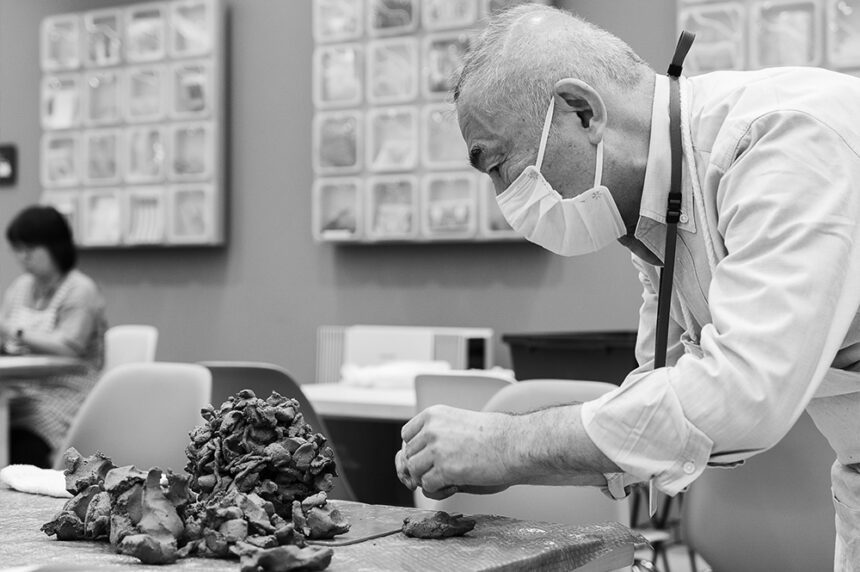
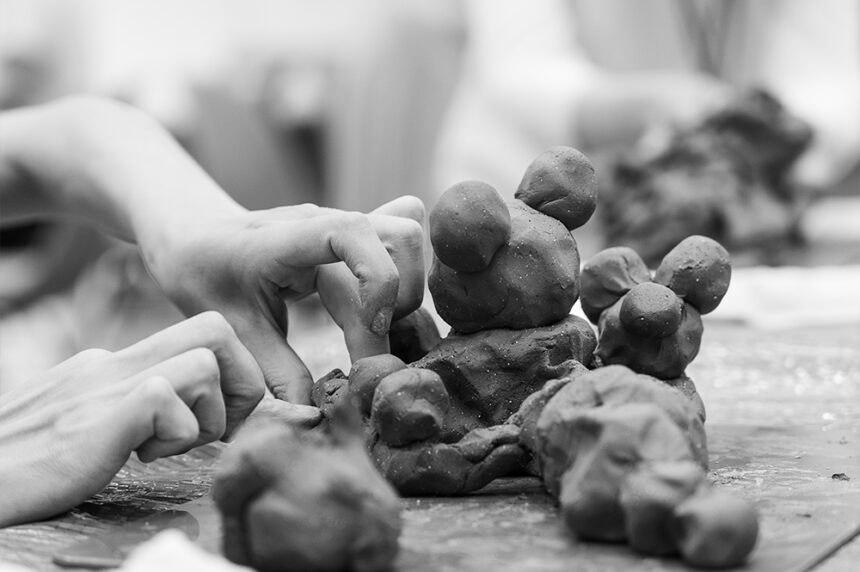
After spending much time with Mogami’s sculpture, Dunhill and O’Brien attempted to describe it in words. They then relinquished control of that description, giving the same text to more than one hundred people in London and Tokyo. Each person was given one kilo of clay and thirty minutes to make an object based on the description.
This was less a process of transcription than an accumulation of interpretations, misunderstandings, inventions and acts of focused daydreaming. More than one hundred distinctly different objects emerged, a library of forms generated from the same ten paragraphs.
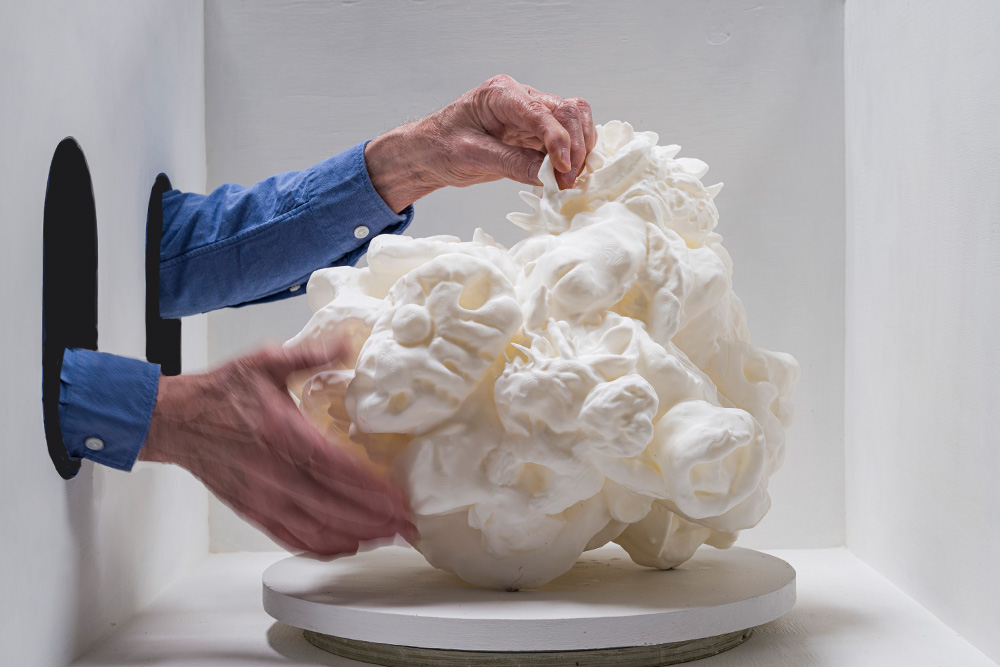
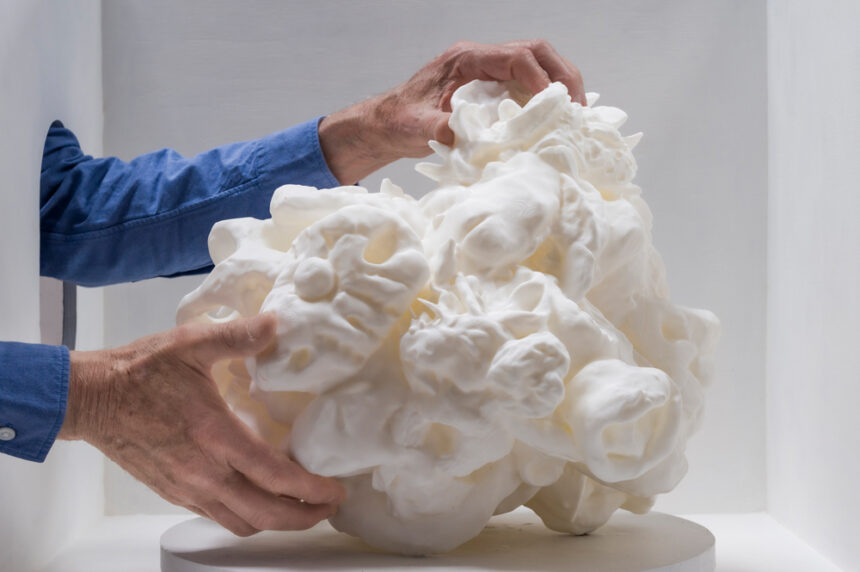
The clay forms were captured through photogrammetry and 3D printed. In the apparently frictionless space of the computer they were then amalgamated into one improbable collective object – a digital ‘mash-up’.
APPARATUS
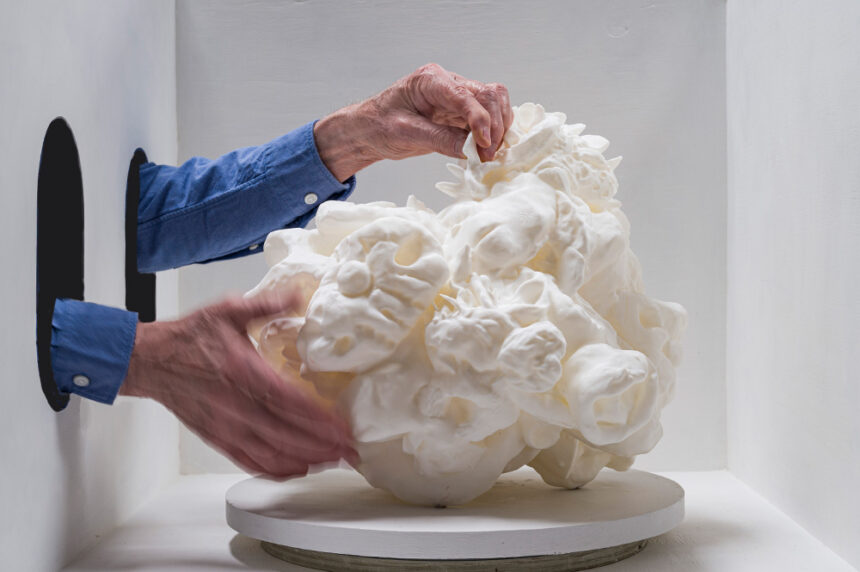
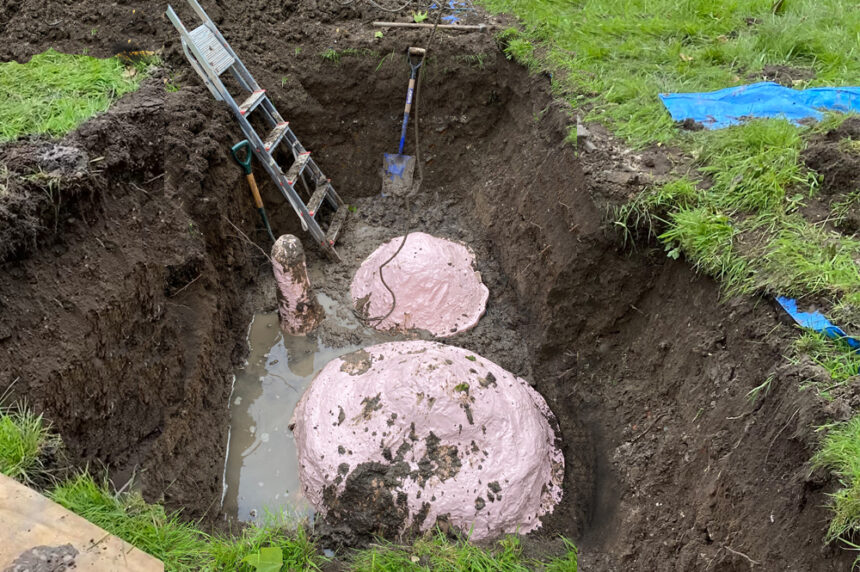
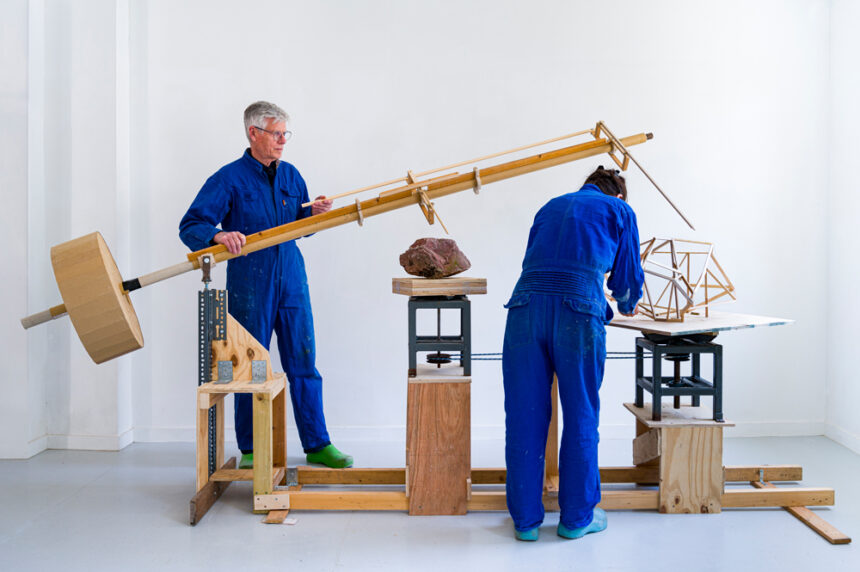
The ease of this digital merger was followed by something considerably more cumbersome. Dunhill and O’Brien built a 5.5 metre-long pantograph, based on a nineteenth-century sculptor’s enlarging tool, and spent five days using it to scrutinise, enlarge and translate the mash-up by hand.
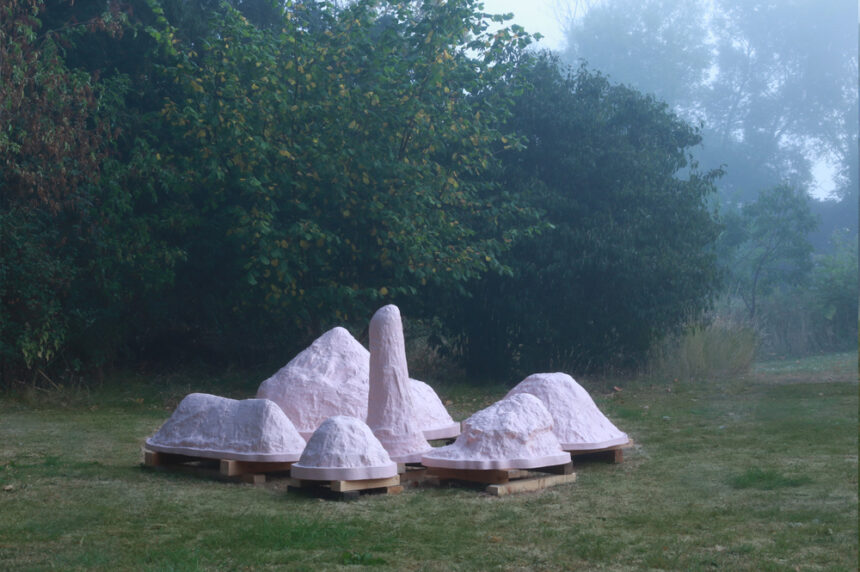
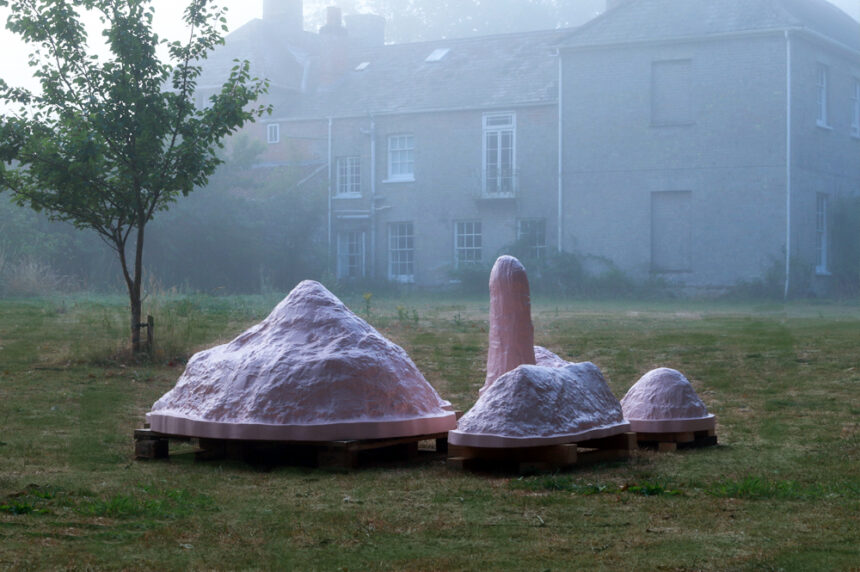
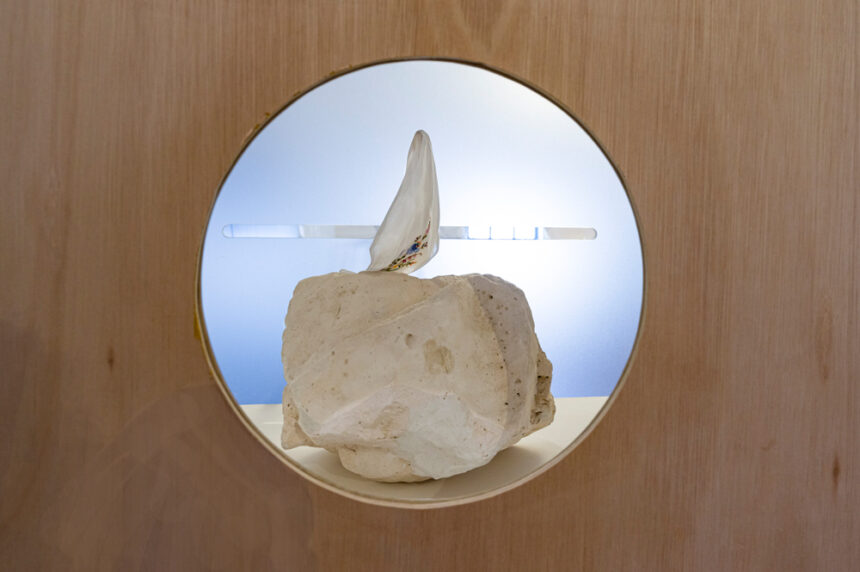
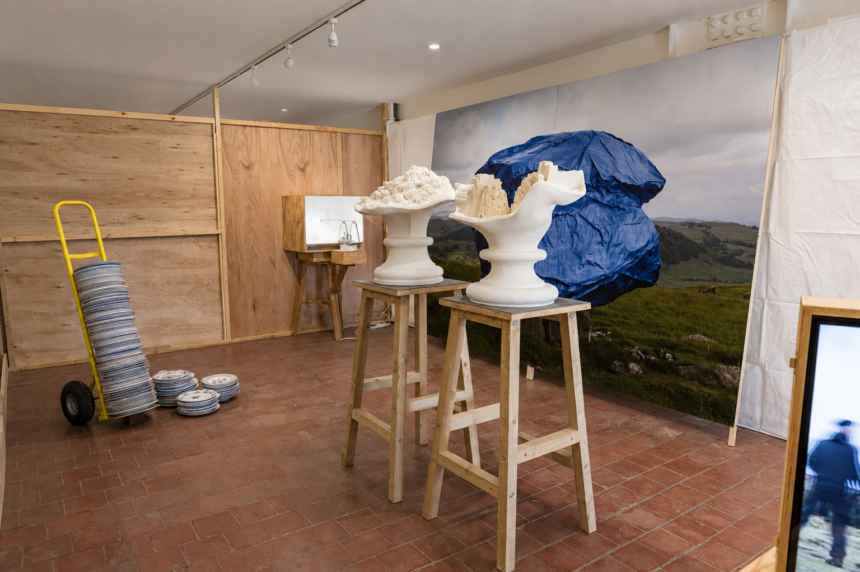
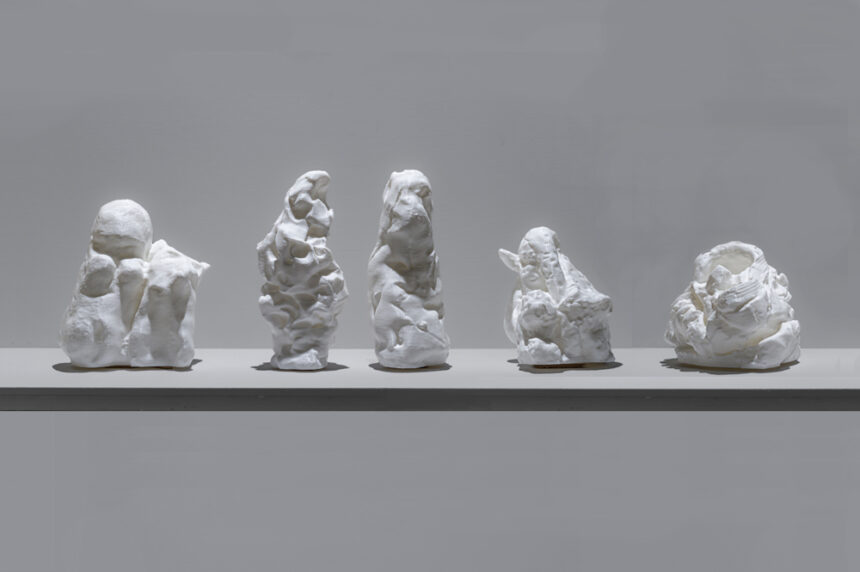
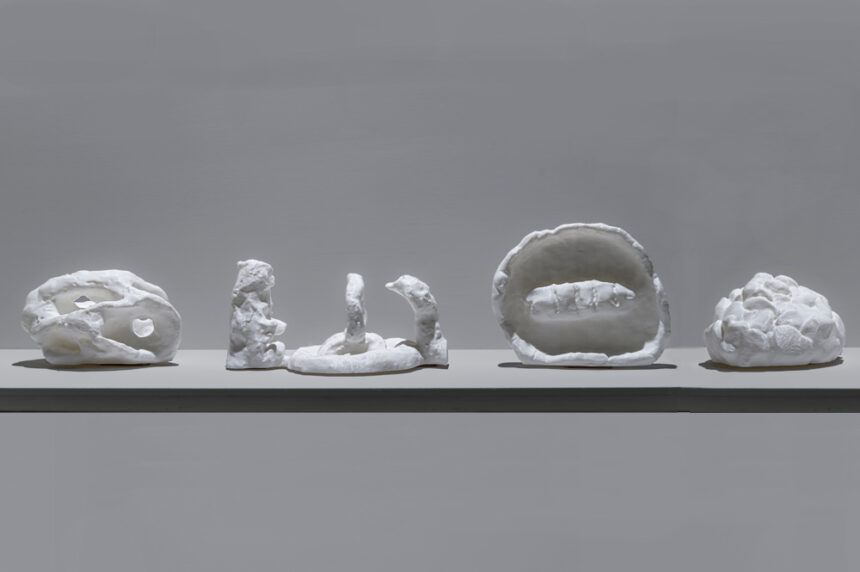
The resulting plaster sculpture carried something of everyone who had taken part, although no individual contribution remained readily identifiable. It was at once collective and stubbornly physical.
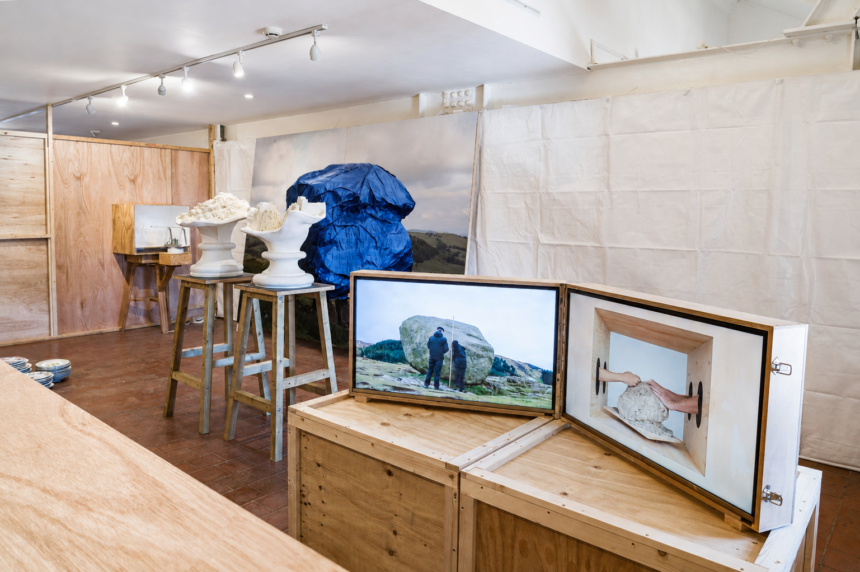
The final installation brought together the large plaster sculpture and its smaller digital ancestor, linked on motorised turntables; the pantograph and wooden gantry; the library of more than one hundred 3D-printed forms; a subtitled film of the descriptive text; and a pinboard mapping some of the research and references that had accumulated around the project.

‘MATA IROHA’ また いろは translated into English becomes ‘Once More the Basics’
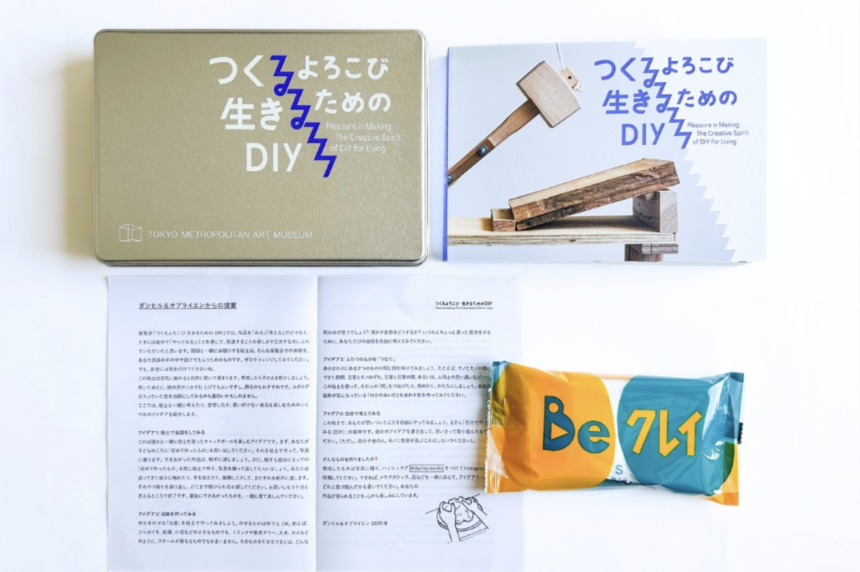
Method & Apparatus to Appreciate Iroha (MATA IROHA) was made for the exhibition Pleasure in Making at Tokyo Metropolitan Art Museum. The exhibition, curated by Hayato Fujioka, ran from July to October 2025, following residencies hosted by Kaetsu Ariake High School and HAKUTEN, Tokyo.


ACKNOWLEDGEMENTS:
Dunhill and O’Brien would like to thank The Daiwa Anglo Japanese Foundation and Tokyo Metropolitan Art Museum for supporting this project.
Special thanks are also due to: the exhibition’s curator Hayato Fujioka and the curatorial team, and team of Tobira, at the Tokyo Metropolitan Museum of Art; to Yoshinori Takakura and the team at Kaetsu Ariake Junior High School; to Yousuke Nakazato and the team at HAKUTEN; to sculptor Claire Fujita who acted as project assistant and analogue technician, and to architectural technologist and digital expert Hiroaki Yamane.
PROJECT PARTICIPANTS
Dunhill and O’Brien would also like to express their thanks to all the project participants for their openness and ingenuity:
Tomoko Ido; Mariko Igari; Satoshi Ikeda; Sakuya Ishida; Mayumi Ishizawa; Nick Eagleton; Yumi Hayashi; Keiko Haseyama; Nicolai Hart-Hansen; Jeremy Herbert; Satomi Baba; Angela Baum; John Barker; Parata Kikuchi Kiwa; Akiko Nishida; Mika Nishiyama; Charlotte Hodes; Mick Hawksworth; Nick Haeffner; Nick Heaf; Sarah Baylis; Steve Bell; Deborah Paige; Masami Tougasa; Penny Driver; Lau Tong Han; Owen Leach; Nathalie de Leval; Rempei Washizu; Junpei Kaneko; Marisa Kageyama; Marjorie Allthorpe-Guyton; Julia Galvin; Takumi Takahashi; Yoshinori Takakura; Rie Tanabe; James Dunhill; Becky Leddy; Miyako Someya; Fang Chol Seo; Hiromi Nemoto; Mina Nakagawa; Yosuke Nakazato; Takehide Murakami; Rena Murata; Reo Murase; Junko Uchiyama; Ren Wolfe; Sachiko Ueda; Rie Umemura; Hiroaki Umemura; Sarah Wigglesworth; Reiko Nogami; Sean O’ Brien; Utaha Kurokawa; Hiromi Kubota; Yumiko Kuramochi; Clare Cooper; Graham Cooper; Hiroaki Yamane; Daisuke Yamanaka; Azumi Matsumoto; Agalis Manessi; Sandie Macrae; Dorian McFarland; Rob Kessler; Pat Frik; Helen Frik; Claire Fujita; Hayato Fujioka; Jem Finer; Marcia Farquhar; Mick Finch; George Blacklock; John Plowman; Komada Naoki; Paul Coldwell; Jinx Godfrey; Melanie Gautier; Aya Endo; Judo Tezuka; Jeremy Till; Paul Dale; Richard Ireland; Danielle Arnaud; Yuko Aono; Naoyo Asano; Sonia Ashmore; Jonathan Ashmore; Shuori Saito; Dani Salvatori; Anna Sasaki; Hiroko Kihara; Momoko Kihara; Douglas Gill; Miina Takezawa; Yuki Miyake; Miyoko Shigeta; Kate James; Takako Jin; Nicola Streeten; Gill Smith.
(names listed according to the I, RO, HA ordering system, thanks to Iku Fujioka)
The exhibition Pleasure in Making curated by Hayato Fujioka featured works by: Taku Hisamura; Kengo Noguchi; Dunhill and O’Brien; Natsumi Seo; Kurumi Wakaki with architectural practices Akihiro Ito and studiomegane.